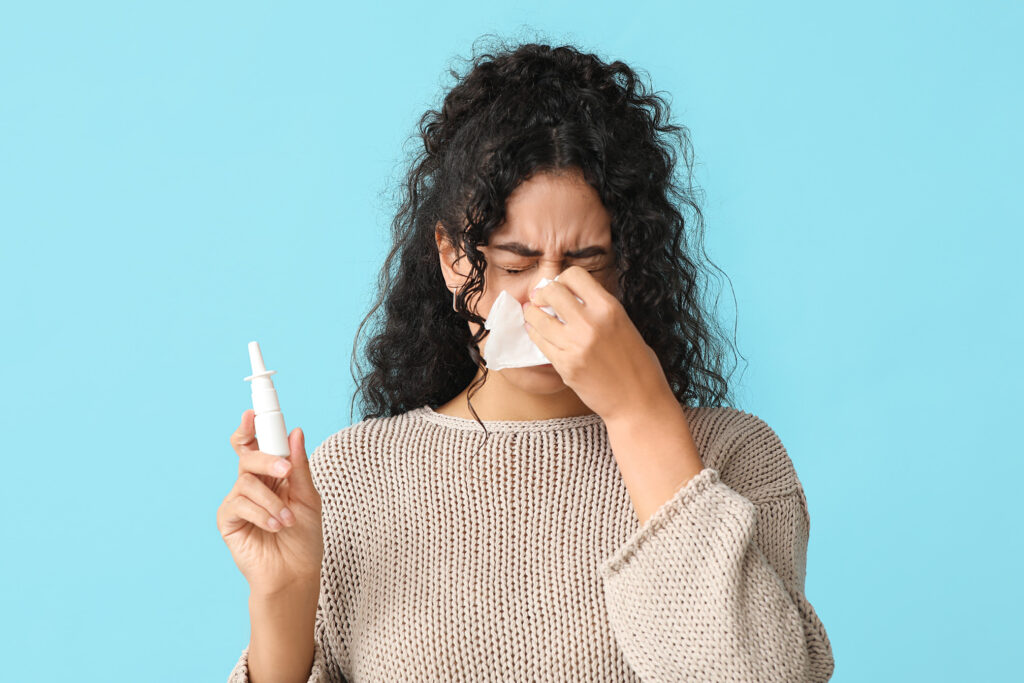
As the seasons change, especially moving into fall and winter, many people begin experiencing sneezing, congestion, and fatigue. Seasonal allergies and colds become more common during this time, often disrupting daily routines, sleep, and overall well-being. While these conditions are usually mild, they can lead to serious discomfort if not managed properly.
In this comprehensive guide, we’ll explore how to manage allergy symptoms, prevent colds, and strengthen your immune system. You’ll also learn about medications, home remedies, and lifestyle strategies to stay healthy throughout seasonal transitions.
Why Seasonal Allergies and Colds Increase During Weather Changes
Seasonal changes bring shifts in temperature, humidity, and pollen levels—all of which can trigger allergy symptoms. Cooler weather also encourages the spread of cold viruses, as people spend more time indoors and in close contact with others.
Common triggers of seasonal allergies include:
- Pollen from trees, grasses, and weeds
- Mold spores from damp leaves, soil, or basements
- Dust, pet dander, and indoor allergens
Common causes of seasonal colds:
- Rhinoviruses and other respiratory viruses
- Weakened immune system due to stress, fatigue, or poor nutrition
- Dry indoor air from heaters and air conditioning
Recognizing these triggers is the first step toward prevention and effective symptom management.
Symptoms: Allergies vs. Colds
Understanding the difference between allergies and colds helps you choose the right treatment:
Allergy symptoms:
- Sneezing
- Runny or stuffy nose
- Itchy eyes, nose, or throat
- Watery eyes
- Fatigue from poor sleep due to congestion
Cold symptoms:
- Nasal congestion
- Sore throat
- Coughing
- Mild fever
- Body aches or fatigue
While there is overlap, allergies generally do not cause fever or body aches, which are more indicative of a viral infection.
Tips for Managing Seasonal Allergies
1. Monitor Pollen and Allergen Levels
- Check daily pollen forecasts and limit outdoor exposure on high-pollen days.
- Keep windows closed at home and in your car to reduce pollen exposure.
- Consider using HEPA filters indoors to trap allergens.
2. Medications for Allergy Relief
- Antihistamines: Reduce sneezing, itching, and a runny nose
- Nasal corticosteroid sprays: Reduce inflammation and congestion
- Decongestants: Provide short-term relief from nasal blockage
- Eye drops: Soothe itchy or watery eyes
Consult your healthcare provider before starting new medications, particularly for children, pregnant individuals, or those with other medical conditions.
3. At Home Options
- Saline nasal rinses: Help flush allergens and clear mucus
- Warm showers: Wash away pollen from skin and hair
- Moisturizing the nasal passages: Keeps the mucus membranes healthy
- Humidifiers: Maintain optimal indoor humidity to reduce dryness
4. Lifestyle Adjustments
- Change clothes and shower after spending time outdoors
- Dry laundry indoors to prevent pollen accumulation
- Keep pets clean if they spend time outdoors
- Avoid smoke and strong chemical odors
Tips for Preventing Seasonal Colds
1. Strengthen Your Immune System
- Eat a diet rich in fruits, vegetables, and antioxidants
- Stay hydrated to support mucous membranes
- Get 7–9 hours of sleep per night
- Exercise regularly to boost circulation and immune function
2. Practice Good Hygiene
- Wash your hands frequently with soap and water
- Avoid touching your face, particularly the eyes, nose, and mouth
- Use tissues or the elbow to cover sneezes and coughs
- Disinfect frequently touched surfaces at home or work
3. Manage Stress
Chronic stress can weaken your immune system, increasing susceptibility to infections. Meditation, yoga, and deep breathing exercises can help maintain resilience.
4. Vaccinations
Getting the flu vaccine and other recommended vaccinations can reduce your risk of serious respiratory illness during seasonal changes.
When to Seek Medical Attention
Consult a healthcare professional if you experience:
- Fever higher than 101°F (38.3°C)
- Symptoms lasting more than 10–14 days
- Severe sinus pain or swelling
- Difficulty breathing or chest tightness
- Persistent fatigue or recurring infections
Early evaluation ensures proper diagnosis, prevents complications, and allows for tailored treatment. We now offer appointments online for your convenience!
Lifestyle Habits to Maintain Health During Seasonal Changes
- Maintain a balanced diet rich in vitamins C and D, zinc, and antioxidants
- Keep your home clean and free of dust, mold, and allergens
- Stay active outdoors during low-pollen periods to support overall health
- Use layered clothing to adjust to fluctuating temperatures
- Stay hydrated to keep mucous membranes moist and healthy
Protect Your Health This Season
Seasonal allergies and colds don’t have to interfere with your life. By monitoring triggers, practicing good hygiene, taking medications when necessary, and supporting your immune system with proper nutrition and sleep, you can stay healthy as the seasons change.
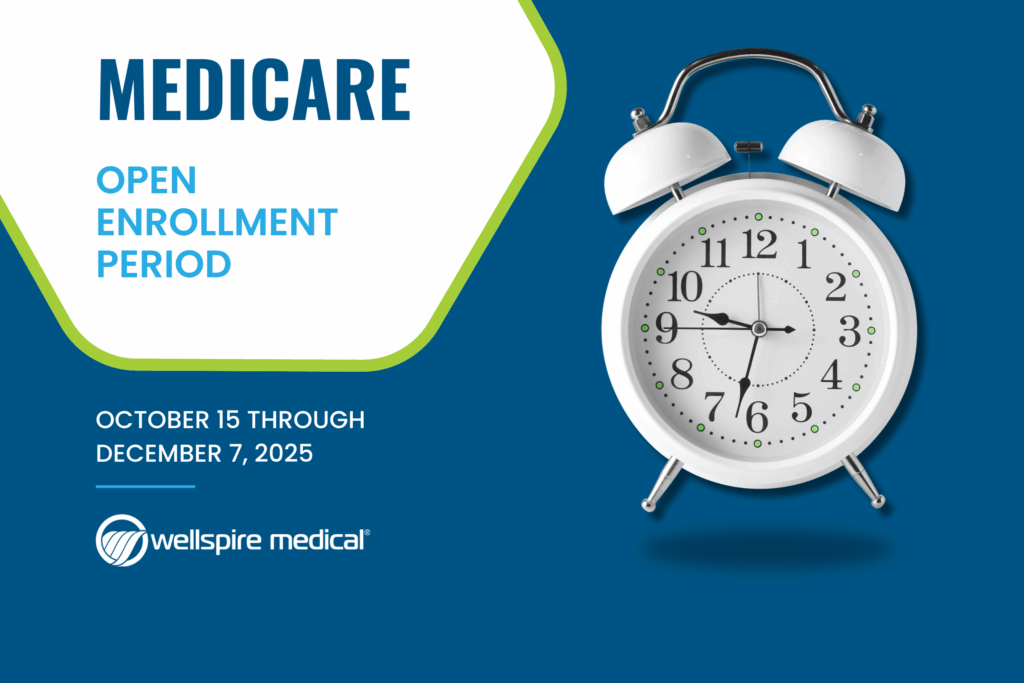
Open Enrollment Reminder: Ensure your health plan is up to date to access allergy and cold care, preventive services, and medications. Contact your healthcare provider or insurance representative to review benefits and plan your care for the season.
Don’t wait for symptoms to worsen—start taking steps today to protect your health, prevent colds, and manage allergies effectively.